

Ensuring Safety with Sterile Medical Tools and Surgical Instruments
When it comes to healthcare, safety is non-negotiable. Every step in the surgical process demands precision, care, and above all, cleanliness. One of the most critical factors in this chain is the use of sterile medical tools. These tools are the frontline defense against infections and complications during surgeries. But how do we ensure these instruments are truly sterile? What processes guarantee their safety? Let’s dive into the essentials of maintaining safety with surgical instruments and why it matters so much.
The Importance of Sterile Medical Tools in Healthcare
Sterile medical tools are not just a requirement; they are a lifeline. Imagine a surgical procedure where instruments are contaminated. The risk of infection skyrockets, patient recovery slows, and complications can become life-threatening. Hospitals and clinics worldwide invest heavily in sterilization protocols to prevent such scenarios.
Sterilization eliminates all forms of microbial life, including bacteria, viruses, fungi, and spores. This process is vital because even the tiniest contamination can lead to severe infections. The tools must be sterile from the moment they leave the sterilization unit until they are used in surgery.
To maintain this sterility, healthcare facilities follow strict guidelines:
Use of autoclaves or chemical sterilants
Proper packaging and storage of instruments
Regular monitoring and validation of sterilization processes
Training staff on handling sterile tools correctly
These steps ensure that every tool is safe and ready for use, protecting patients and healthcare workers alike.

How Sterilization Processes Guarantee Safety
Sterilization is a science and an art. It involves several methods, each suited to different types of instruments and materials. The most common methods include:
Steam Sterilization (Autoclaving)
This is the gold standard. High-pressure saturated steam at temperatures of 121-134°C kills all microorganisms. It’s fast, effective, and widely used for metal instruments.
Ethylene Oxide Gas (EtO)
Used for heat-sensitive instruments, EtO gas penetrates packaging and kills microbes without damaging delicate tools.
Hydrogen Peroxide Plasma
A low-temperature method that uses vaporized hydrogen peroxide and plasma to sterilize instruments quickly.
Dry Heat Sterilization
Suitable for instruments that might corrode with moisture, this method uses hot air at 160-180°C for extended periods.
Chemical Sterilants
Liquid chemicals like glutaraldehyde are used for instruments that cannot withstand heat.
Each method has its pros and cons, but the goal remains the same: to ensure that every instrument is free from any microbial life before use.
Regular testing and validation of sterilization equipment are crucial. Biological indicators, chemical indicators, and mechanical monitoring help verify that sterilization cycles are effective. Without these checks, there’s no guarantee that instruments are safe.
What are the 5 Basic Categories of Surgical Instruments?
Understanding the types of surgical instruments helps in appreciating the sterilization challenges and requirements. Surgical instruments generally fall into five basic categories:
Cutting and Dissecting Instruments
These include scalpels, scissors, and knives. They are sharp and require careful handling to maintain their edges and sterility.
Grasping or Holding Instruments
Forceps and clamps fall into this category. They hold tissues or objects during surgery.
Hemostatic Instruments
Designed to control bleeding, these include hemostats and ligature carriers.
Retracting and Exposing Instruments
Retractors and speculums help surgeons access the surgical site by holding back tissues.
Suturing Instruments
Needle holders and suturing forceps assist in stitching wounds.
Each category has unique sterilization needs. For example, cutting instruments must be sterilized without dulling their edges, while grasping instruments require thorough cleaning of joints and hinges.
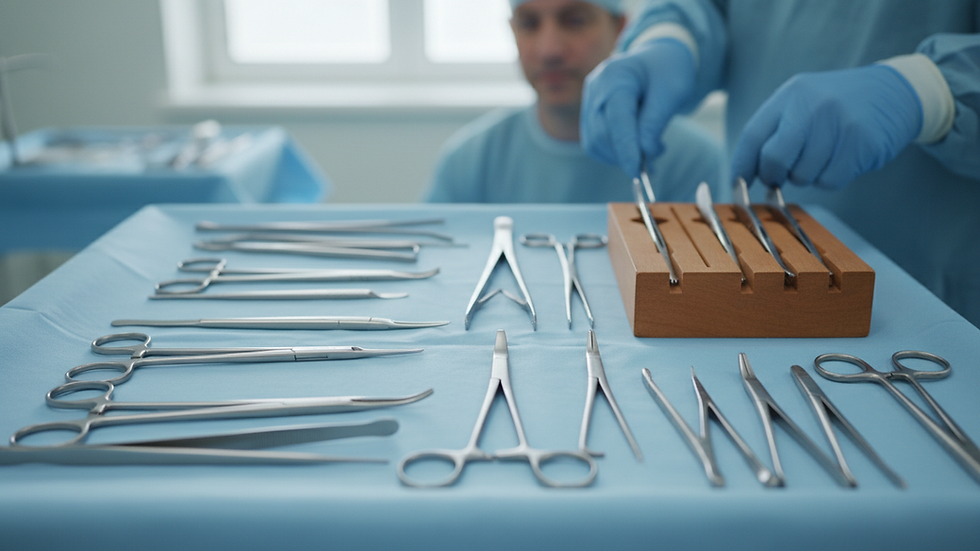
Best Practices for Handling and Storing Sterile Surgical Instruments
Sterilization is only half the battle. How instruments are handled and stored after sterilization is equally important. Here are some best practices to ensure safety:
Use Sterile Packaging
Instruments should be wrapped or sealed in sterile packaging that maintains sterility until use.
Store in a Clean, Dry Environment
Sterile instruments must be kept in areas free from dust, moisture, and temperature fluctuations.
Limit Handling
Only trained personnel should handle sterile instruments, and they must use gloves and sterile techniques.
Regular Inventory Checks
Rotate stock to use older sterile packs first and discard expired ones.
Avoid Cross-Contamination
Never place sterile instruments on non-sterile surfaces.
Immediate Cleaning After Use
Instruments should be cleaned promptly after surgery to prevent blood and tissue from drying, which complicates sterilization.
By following these steps, healthcare facilities can maintain the integrity of sterile surgical instruments and reduce infection risks.
The Role of Innovation in Sterile Medical Tools Manufacturing
Innovation plays a huge role in enhancing the safety and efficiency of sterile medical tools. Manufacturers are constantly developing new materials, coatings, and designs that improve sterilization outcomes and instrument durability.
For example, some instruments now feature antimicrobial coatings that reduce microbial adhesion. Others are designed for easier disassembly, allowing thorough cleaning of complex parts. Advances in packaging technology also help maintain sterility longer and provide clear indicators of sterilization status.
Moreover, automation in sterilization processes reduces human error and increases consistency. Digital tracking systems monitor sterilization cycles and instrument usage, ensuring compliance and traceability.
These innovations support healthcare providers in delivering safer surgical care and improving patient outcomes.
Partnering for Excellence in Sterile Surgical Instruments
Ensuring safety with sterile surgical instruments is a shared responsibility. It requires collaboration between healthcare providers and trusted manufacturing partners who understand the critical nature of these tools.
Choosing a partner who prioritizes quality, compliance, and innovation can make all the difference. They provide not only the instruments but also the expertise and support needed to maintain the highest safety standards.
By investing in reliable sterile medical tools and following rigorous sterilization and handling protocols, healthcare facilities can protect patients, enhance operational efficiency, and build trust in their services.
Safety is not just a goal - it’s a commitment. And with the right tools and practices, it’s a commitment that can be confidently upheld every day.


Comments