

Maintaining Long-Lasting Surgical Tools for Optimal Performance
- 1 day ago
- 3 min read
When it comes to surgical procedures, the quality and condition of the tools used can make all the difference. Long-lasting surgical tools are not just a cost-saving measure; they are essential for patient safety and operational efficiency. But how do we ensure these instruments stay in top shape? The answer lies in proper maintenance, careful handling, and strict adherence to cleaning protocols. Let me walk you through the essentials of maintaining these vital tools.
Why Long-Lasting Surgical Tools Matter
Surgical instruments face intense use and exposure to harsh sterilization processes. Without proper care, they can corrode, dull, or malfunction. This not only risks patient safety but also increases costs due to frequent replacements. Maintaining long-lasting surgical tools means:
Reducing downtime caused by broken or unusable instruments.
Ensuring precision during surgeries, which can affect outcomes.
Saving money by extending the lifespan of expensive equipment.
Supporting compliance with health and safety regulations.
Have you ever wondered how a tiny nick on a scalpel blade could impact a surgery? It’s a small detail with huge consequences. That’s why maintenance is not optional; it’s a critical part of surgical success.
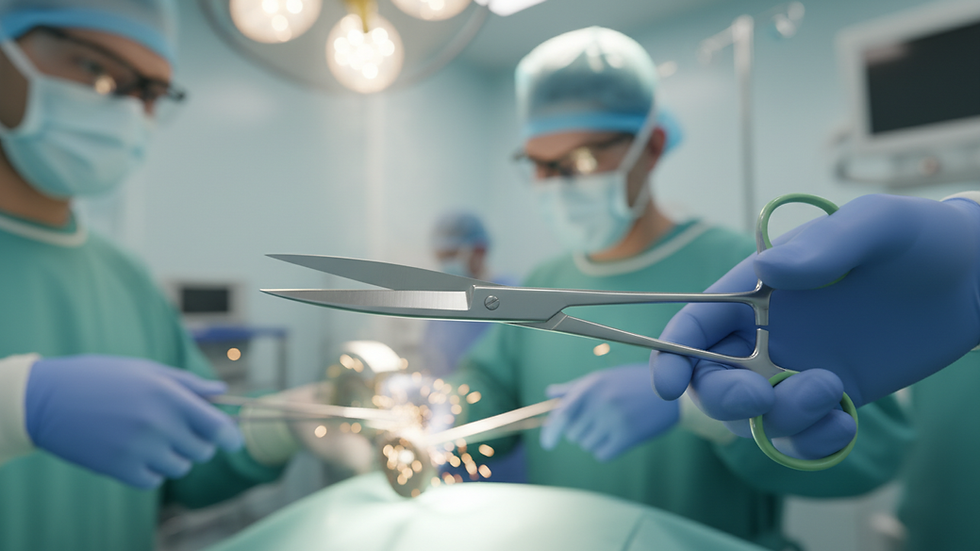
Best Practices for Maintaining Long-Lasting Surgical Tools
Maintaining surgical tools requires a systematic approach. Here’s what I recommend:
1. Immediate Cleaning After Use
Blood, tissue, and other biological materials can quickly damage instruments if left to dry. Rinse instruments immediately after use with cold or lukewarm water. Avoid hot water as it can cause proteins to coagulate and stick.
2. Use Proper Cleaning Agents
Choose enzymatic detergents designed for medical instruments. These break down organic material effectively without damaging metal surfaces. Avoid harsh chemicals that can corrode or discolor instruments.
3. Manual and Mechanical Cleaning
Manual cleaning with soft brushes helps remove debris from joints and serrations. Ultrasonic cleaners are excellent for reaching tiny crevices. Combine both methods for thorough cleaning.
4. Inspection and Lubrication
After cleaning, inspect each instrument carefully. Look for signs of wear, rust, or damage. Lubricate moving parts with medical-grade lubricants to prevent stiffness and corrosion.
5. Sterilization Protocols
Follow sterilization guidelines strictly. Autoclaving is common, but ensure instruments are dry before sterilization to prevent rust. Use sterilization pouches that allow steam penetration but keep instruments sterile afterward.
6. Proper Storage
Store instruments in a dry, clean environment. Use trays or racks that prevent contact between instruments to avoid damage. Avoid overcrowding, which can cause scratches or bending.
7. Regular Maintenance Schedule
Set up a routine maintenance schedule. Regular checks and servicing can catch problems early and extend the life of your tools.
What are examples of reusable equipment?
Reusable surgical tools come in many forms. Here are some common examples that require diligent maintenance:
Scalpels and blades: Precision cutting tools that must remain sharp and clean.
Forceps and clamps: Used to hold or manipulate tissue; hinges need lubrication.
Scissors: Require sharp edges and smooth joints.
Needle holders: Must maintain grip strength without slipping.
Retractors: Used to hold back tissue; often have complex shapes needing thorough cleaning.
Suction tips and tubes: Require sterilization to prevent contamination.
Endoscopic instruments: Delicate tools that need careful handling and cleaning.
Each type has unique maintenance needs, but the principles remain the same: clean, inspect, lubricate, sterilize, and store properly.

Handling and Training: The Human Factor
Even the best maintenance protocols fail if staff are not trained properly. Handling surgical tools with care is crucial. Here’s what I emphasize:
Train staff on correct cleaning and sterilization techniques.
Use protective equipment to avoid injury and contamination.
Handle instruments gently to prevent bending or breaking.
Report damage immediately to avoid using compromised tools.
Encourage accountability so everyone understands their role in maintenance.
Regular training refreshers keep everyone up to date on best practices and new technologies.
Investing in Quality and Innovation
Choosing high-quality surgical instruments from trusted manufacturers is the first step toward longevity. Innovations in materials and design also help. For example, corrosion-resistant alloys and ergonomic designs reduce wear and tear.
Partnering with a reliable supplier ensures you get instruments that meet strict standards and come with support for maintenance and replacement parts. This investment pays off in fewer disruptions and better patient outcomes.
Final Thoughts on Keeping Surgical Tools in Top Shape
Maintaining surgical tools is a continuous process that demands attention to detail and commitment. By following these practical steps, you can ensure your instruments remain reliable and safe for every procedure. Remember, every tool you care for is a tool that helps save lives.
If you want to learn more about how to care for reusable surgical instruments, explore trusted resources and partner with experts who understand the critical nature of these tools.
Keep your surgical instruments sharp, clean, and ready. Your patients deserve nothing less!


Comments