

Unveiling the Benefits of Surgical Steel
When it comes to medical instruments and devices, the choice of material is crucial. It can mean the difference between success and failure, safety and risk. That’s why I want to talk about a material that has revolutionized healthcare manufacturing: surgical steel or stainless steel. This metal is not just any steel. It’s a high-grade alloy designed to meet the strict demands of the medical world. But what makes it so special? Let’s dive in and explore the many benefits of surgical steel and why it’s the preferred choice for healthcare brands, hospitals, and clinics worldwide.
Why Choose Surgical Steel? The Benefits of Surgical Steel
Surgical steel offers a unique combination of properties that make it ideal for medical use. First, it is incredibly durable. This means instruments made from surgical steel can withstand repeated use and sterilization without losing their strength or shape. Imagine a scalpel that stays sharp and reliable after hundreds of procedures. That’s the power of surgical steel.
Another major benefit is its corrosion resistance. Medical tools are exposed to bodily fluids, cleaning agents, and sterilization processes. Ordinary metals would rust or degrade quickly. Surgical steel, however, resists corrosion, ensuring instruments remain safe and effective over time.
Let’s not forget biocompatibility. This means surgical steel is safe to use inside the human body. It doesn’t cause allergic reactions or toxic effects. This is critical for implants, surgical tools, and dental instruments.
Here are some key benefits summarized:
High strength and durability for long-lasting use
Resistance to corrosion and staining in harsh environments
Biocompatibility for safe patient contact
Ease of sterilization to maintain hygiene standards
Cost-effectiveness compared to precious metals like titanium
These advantages make surgical steel a smart investment for healthcare providers aiming to deliver safe, reliable care.

What’s the difference between stainless steel and surgical stainless steel?
You might wonder, isn’t surgical steel just another name for stainless steel? Not quite. While both are alloys primarily made of iron, chromium, and other elements, surgical stainless steel is a specialized grade of stainless steel. It meets stricter standards for purity, strength, and corrosion resistance.
Regular stainless steel is used in everyday items like kitchen appliances and cutlery. It’s durable but not always suitable for medical applications. Surgical stainless steel, on the other hand, undergoes rigorous testing and certification to ensure it can safely contact human tissue and withstand sterilization.
The key differences include:
Composition: Surgical stainless steel contains higher chromium and nickel content for enhanced corrosion resistance.
Purity: It has fewer impurities and inclusions that could cause weaknesses or reactions.
Mechanical properties: Surgical steel is stronger and more resistant to wear.
Certification: It complies with medical standards such as ASTM F138 or ISO 5832-1.
In short, surgical stainless steel is stainless steel refined and optimized for medical use. This distinction is vital for healthcare brands and manufacturers who demand the highest quality materials.
How Surgical Steel Enhances Operational Efficiency
Using surgical steel instruments can significantly improve operational efficiency in healthcare settings. Here’s how:
Reduced Instrument Replacement Costs
Because surgical steel is so durable, instruments last longer. This means fewer replacements and lower procurement costs over time. Hospitals and clinics can allocate budgets more effectively.
Simplified Sterilization Processes
Surgical steel tolerates high-temperature autoclaving and chemical sterilization without damage. This reliability reduces downtime between procedures and ensures instruments are always ready.
Improved Patient Safety
Instruments made from surgical steel minimize the risk of infection and allergic reactions. This leads to better patient outcomes and fewer complications.
Consistent Performance
Sharpness, precision, and strength remain consistent even after repeated use. Surgeons and medical staff can trust their tools to perform flawlessly every time.
Compliance with Regulations
Surgical steel meets international standards, helping healthcare providers maintain compliance with safety and quality regulations.
By choosing surgical steel, healthcare brands and facilities can streamline their operations, reduce costs, and enhance the quality of care delivered.
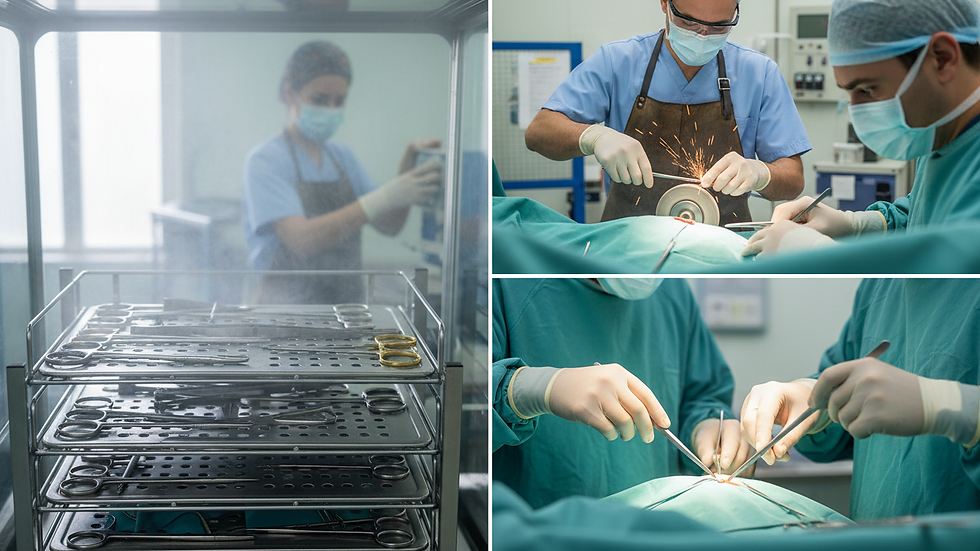
Practical Applications of Surgical Steel in Healthcare
Surgical steel is everywhere in the medical field. Here are some common applications:
Surgical Instruments: Scalpels, forceps, scissors, clamps, and retractors are often made from surgical steel. Their precision and durability are unmatched.
Implants: Orthopedic pins, screws, plates, and dental implants use surgical steel for its strength and biocompatibility.
Dental Tools: Dental mirrors, probes, and scalers benefit from corrosion resistance and ease of sterilization.
Medical Devices: Components in pacemakers, catheters, and endoscopes often incorporate surgical steel.
Hospital Equipment: Surgical trays, sterilization containers, and other reusable equipment are crafted from surgical steel for longevity.
Each application demands materials that can withstand rigorous use and maintain safety. Surgical steel fits the bill perfectly.
Choosing the Right Surgical Steel Supplier
Selecting a reliable supplier is just as important as choosing the right material. Here are some tips to ensure you partner with the best:
Quality Assurance: Look for suppliers who provide certifications and test reports verifying the grade and purity of their surgical steel.
Compliance: Ensure the supplier meets international medical standards and regulations.
Customization: A good partner can tailor products to your specific needs, whether it’s custom instruments or OEM sterile kits.
Capacity and Reliability: Choose suppliers who can handle large orders and deliver on time consistently.
Innovation: Suppliers who invest in research and development can offer cutting-edge solutions that improve patient outcomes.
By partnering with a trusted supplier, healthcare brands can secure a steady supply of high-quality surgical steel instruments and devices.
The Future of Surgical Steel in Healthcare
The demand for surgical steel continues to grow as healthcare advances. Innovations in alloy composition and manufacturing techniques are making surgical steel even better. For example, new surface treatments improve corrosion resistance and reduce bacterial adhesion. Additive manufacturing (3D printing) is enabling complex, customized surgical steel implants.
As healthcare providers strive to improve patient care and operational efficiency, surgical steel will remain a cornerstone material. Its unmatched combination of strength, safety, and cost-effectiveness makes it indispensable.
If you want to learn more about how surgical stainless steel can transform your medical instruments and devices, explore the latest offerings from trusted manufacturers. The future of healthcare depends on materials that deliver excellence every time.
Choosing surgical steel is not just a technical decision. It’s a commitment to quality, safety, and innovation. With the right materials and partners, healthcare brands can save lives and build a healthier tomorrow.


Comments