

Hospital Waste Reduction Through Quality Stainless Steel
- 2 days ago
- 3 min read
The surgical corridor generates a staggering volume of physical waste, yet hospital boardrooms rarely look at the instrument trays when addressing their environmental footprint. Purchasing directors are under constant pressure to cut upfront acquisition costs. This leads to a quiet crisis in the sterile processing department. Low-grade, poorly forged steel instruments fail prematurely, corrode after a few autoclave cycles, and end up in the hazardous waste bin.
The push toward cheap, disposable instruments was marketed as a sterile, hassle-free solution. Instead, it created an economic and ecological dead end.
Reducing waste in a modern healthcare facility requires looking beyond basic recycling bins. True progress lies in the metallurgical integrity of the tools in the operating room.

The Metallurgy of Longevity: Why Cast Steel Fails
Hospital waste reduction is rarely a topic of discussion at the time of purchase. Typically, a spreadsheet comparing unit costs ignores molecular reality. Cheap instruments are frequently made from cast steel or low-grade alloys. These metals contain micro-porosities and uneven carbon distribution. Under the intense heat and chemical exposure of repeated autoclaving, these microscopic pockets expand.
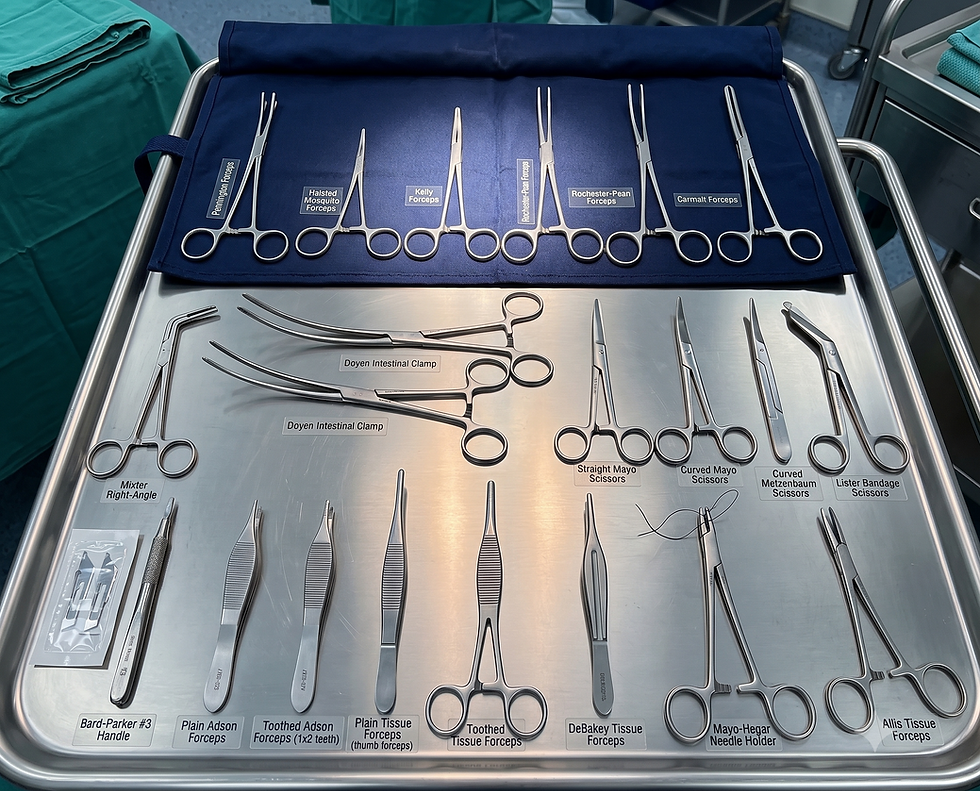
High-quality surgical instruments rely on precision drop-forging. This process subjects surgical-grade stainless steel to immense hydraulic pressure, aligning the grain structure of the metal itself.
The difference in performance is stark:
Micro-pitting resistance: Low-grade steel develops microscopic pits during aggressive cleaning protocols. These pits trap bioburden, turning the instrument into a permanent infection risk that must be decommissioned immediately. Forged steel resists this surface breakdown.
Structural alignment: Scissors and needle holders made from premium forged alloys maintain their precise alignment. They do not bend or lose their bite under pressure, preventing premature disposal.
When an instrument cannot survive the harsh environment of reprocessing (Aufbereitung), it ceases to be an asset. It becomes trash.
The False Economy of Single-Use Utensils
Single-use surgical packs are often justified as a way to eliminate sterilization labor. This assumption falls apart under close scrutiny.
A single hospital system performing thousands of procedures a year with disposable stainless steel instruments produces tons of metal and plastic waste. These items cannot enter standard municipal recycling streams. Because they are contaminated, they require energy-intensive medical waste incineration or specialized landfilling.
This linear "take-make-waste" model directly opposes the goals of a Green Hospital. True sustainability requires transitioning to a circular economy in healthcare. High-quality forged instruments can be sterilized, adjusted, and returned to service thousands of times over a decade. The initial purchase price is amortized across years of reliable performance, lowering the cost per use to pennies while keeping high volumes of metal out of the waste stream.
Life-Cycle Analysis for Sourcing Teams
To achieve genuine Nachhaltigkeit im Krankenhaus, procurement departments must look past the initial invoice. Low-grade instruments require constant replacement, creating a hidden cycle of purchasing, shipping, and disposal fees.
Performance Metric | Low-Grade Cast Instruments | Premium Forged Instruments |
Average Lifespan | Less than 12 months | 10 to 15 years |
Sterilization Endurance | Poor; prone to early rust and spotting | Exceptional; maintains passive layer protection |
Repairability | Non-viable; discarded when dull or misaligned | Highly repairable; can be sharpened and re-aligned repeatedly |
Waste Contribution | High, recurring volume | Minimal |
Every discarded instrument carries a double fee: the cost of a replacement and the cost of hazardous waste disposal by weight. High-density forged steel breaks this cycle.
Hospital waste reduction through meaningful partnerships
Preventing waste from entering the hospital supply chain is far more effective than trying to manage it at the loading dock. True environmental stewardship in clinical settings begins with purchasing decisions that prioritize material durability.
Dr. Frigz manufactures medical, dental, and electrosurgery instruments using elite-grade forged stainless steel. Our manufacturing processes are engineered to support healthcare facilities seeking to implement a viable circular economy. By choosing instruments designed for indefinite reprocessing cycles without loss of clinical performance, healthcare distributors and sourcing directors can protect operating budgets while significantly reducing physical waste. Contact our team today to discuss sourcing partnerships that align clinical excellence with sustainable hospital operations.


Comments