

The Push for Nachhaltigkeit Single-Use versus Reusable Surgical Instruments in German Hospitals
- 12 minutes ago
- 2 min read
German hospitals are bleeding money. Operating costs rise daily while waste disposal expenses climb every single quarter. Regulators demand rigid compliance. The pressure is immense. Procurement directors look at the surgical theatre and see an absolute financial sinkhole. Single-use plastic tools versus high-grade reusable steel. This debate dominates boardrooms.
Let us dissect the actual friction point. Proponents of single-use disposable instruments argue they eliminate cross-contamination risks entirely. They point out that a disposable scalpel requires zero processing time. They ignore the downstream consequences. Single-use plastics generate a staggering volume of solid waste. Treating contaminated disposable waste requires high-heat incineration. This process dumps heavy carbon equivalents directly into the atmosphere. Every discarded tool depletes raw resources. It is a wildly inefficient cycle.

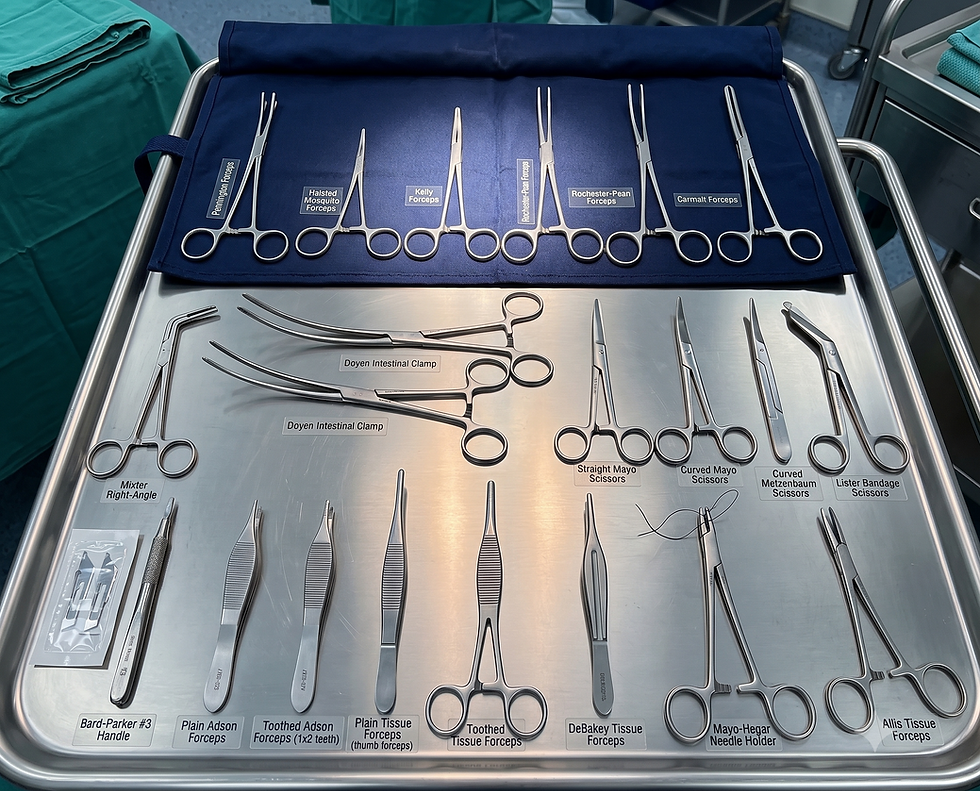
Reusable steel instruments present a completely different economic profile. Critics argue that sterilizing reusable tools consumes water and chemical agents. They claim the sterilization department creates a backlog. The math proves them wrong. Lifecycle analyses demonstrate that reusable medical supplies generate up to 93 percent less solid waste than their disposable counterparts over time. High-quality steel survives thousands of autoclave cycles. The upfront capital expenditure amortizes over years of continuous surgical application.
Nachhaltigkeit Single-Use versus Reusable Surgical Instruments issue is an operational mandate. It forces administrators to examine the true cost of convenience. Disposing of cheap plastic tools creates a continuous procurement cycle. Hospitals become entirely dependent on fragile global supply chains to maintain daily surgical volume. A shipping disruption halts elective procedures entirely. Reusable steel secures your inventory. You control the tools you own. The math makes sense.
Surgical precision depends strictly on material integrity. Cheap disposable plastics flex under torque. A surgeon applying pressure during an orthopedic procedure feels the exact moment a low-grade plastic handle loses its structural stability. Dr. Frigz manufactures reusable instruments from premium stainless steel. Our tools hold their cutting edges. The joints remain perfectly calibrated after hundreds of high-temperature sterilization cycles. We machine our instruments to perform identically on the first cut and the thousandth.
Real-world execution is messy. Transitioning an entire hospital unit back to reusable instruments requires intense coordination with sterilization staff. You need strict tracking protocols. The operational growing pains are absolute fact. Yet the financial and environmental payout is undeniable.
Sustainability requires making hard choices about long-term asset management. Hospitals implementing strict reusable protocols slash their procurement budgets massively. They also hit their carbon reduction targets while decoupling their operating rooms from volatile international plastic supply shortages. Stop renting your surgical capacity one plastic scalpel at a time. Partner with Dr. Frigz to equip your facility with permanent surgical assets that perform flawlessly and respect the environment.


Comments